
Ice Sheet Expansion Reversal
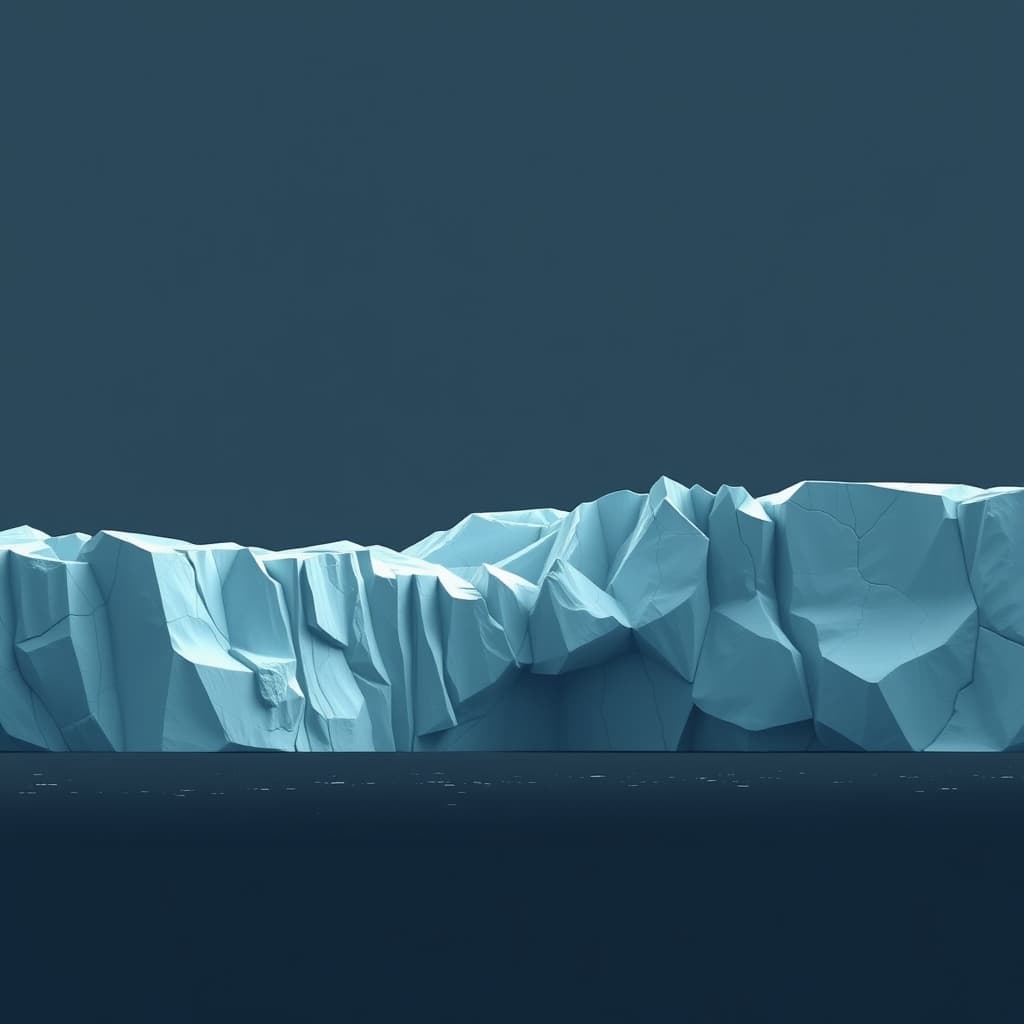
Human-caused climate warming impacts ice age glaciation, altering earth's geology and ecosystems
Ice sheet expansion is a geological process that has been impacted by human-caused climate warming. The ice sheet expansion reversal is a significant consequence of climate change, altering earth's geology and ecosystems. Ice sheet expansion, particularly in the Canadian Arctic, has been a topic of research in the field of glaciology. The Barnes Ice Cap, located on Baffin Island, is the last surviving fragment of the Laurentide Ice Sheet, which was the largest of the Pleistocene ice sheets. This ice sheet, at its peak, buried most of Canada under two miles of ice and locked away around 80 meters of sea level. A recent Science study has shown that the Laurentide Ice Sheet reached its smallest size about 3,600 years ago, and then started re-expanding roughly 2,000 years ago. However, this ice age was reversed due to human-caused climate warming around 1960.
What drives ice sheet expansion
Ice sheet expansion is driven by a combination of factors, including temperature, precipitation, and geological processes. The Pleistocene ice sheets, which included the Laurentide Ice Sheet, were formed during a period of significant glaciation. The geological history of the earth has been shaped by these ice sheets, which have had a profound impact on the environment and ecosystems. The Canadian Arctic, where the Barnes Ice Cap is located, is a region of significant geological interest, with many glaciers and ice sheets that are still present today. The study of glaciology is crucial in understanding the impact of climate change on ice sheet expansion and the subsequent effects on the environment.
What is the current state of ice sheet expansion
The current state of ice sheet expansion is a topic of significant research and debate. The impact of human-caused climate warming on ice sheet expansion is a major concern, as it has the potential to significantly alter the earth's geology and ecosystems. The use of environmental science and earth science research is essential in understanding the current state of ice sheet expansion and the potential consequences of climate change.
How does ice sheet expansion impact the environment
Ice sheet expansion has a significant impact on the environment, particularly in the Canadian Arctic. The formation and growth of ice sheets can alter the geological landscape, creating new landforms and altering the flow of rivers and streams. The impact of ice sheet expansion on ecosystems is also significant, as it can lead to the formation of new habitats and the alteration of existing ones.
What can be done to mitigate the effects of ice sheet expansion
The mitigation of the effects of ice sheet expansion is a complex issue, requiring a comprehensive approach that incorporates environmental science, earth science, and glaciology. The reduction of greenhouse gas emissions is a critical step in mitigating the effects of climate change on ice sheet expansion. The use of renewable energy sources and the implementation of sustainable practices can also help to reduce the impact of human-caused climate warming on ice sheet expansion.
| Ice Sheet | Location | Size |
|---|---|---|
| Laurentide Ice Sheet | Canada | 80 meters |
| Barnes Ice Cap | Baffin Island | 2 miles |
| The study of ice sheet expansion is a significant area of research, with many scientists and researchers working to understand the impact of climate change on these geological formations. | ||
| The use of Science studies and research is essential in understanding the current state of ice sheet expansion and the potential consequences of climate change. | ||
| Source: Jacek Krywko |
Related Posts





No Comments
Add Your Comment