
Polestar Performance Cars
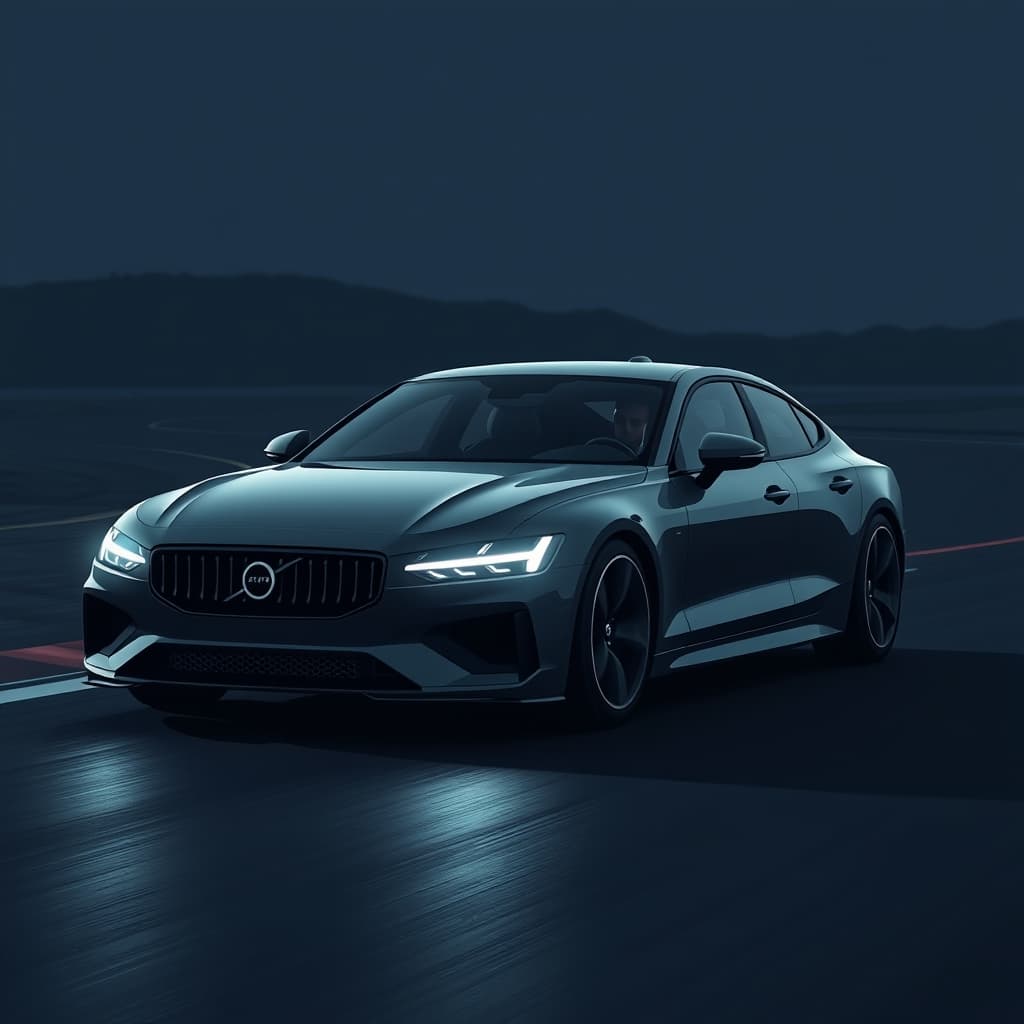
Measuring the human experience of driving high-performance electric vehicles like Polestar, with a focus on acceleration, top speed, and lap times, and the impact on the driver
The Polestar performance car is a prime example of a high-performance electric vehicle. Direct answer: Performance cars like Polestar offer a unique driving experience, with a focus on acceleration, top speed, and lap times, which can be measured using metrics such as 0-60 mph times and quarter-mile drag times. Polestar is trying to quantify what it’s like to drive a performance car, by measuring the effect of car performance on the driver. This is a complex task, as it involves human factors and the driving experience.
What breaks when the model touches the framebuffer
The human desire to go fast is old, dating back to the first time someone saw a horse and thought, "I bet if I jumped on that thing’s back, it would be faster than walking." A thousand years later, someone else invented the wheel—and the chariot—and humanity was ready to roll. Now, about five millennia since that first horseback ride, equestrianism is mostly a leisure activity, and we drive cars, propelled by motors with more power than an entire herd of beasts could muster. Acceleration, top speed, and lap times are the usual ways we quantify that performance, and performance electric vehicles are currently in an arms race to see which one can hit 60 mph in the least amount of time. But measuring a car’s performance is easy—all you need is a stopwatch and a track.
Four rules we use to prevent coordinate drift
Measuring the effect of car performance on the driver is more complex, as it involves human factors and the driving experience. Polestar is using a combination of metrics, including acceleration, top speed, and lap times, to quantify the driving experience. The company is also using human factors research to understand how the driving experience affects the driver. This includes studying the physical and emotional effects of driving a high-performance car, such as the rush of adrenaline and the sense of excitement.
What is the fastest 0-60 mph time for a production car
The fastest 0-60 mph time for a production car is currently held by the Rimac C_Two, which can accelerate from 0-60 mph in just 1.85 seconds.
How does the driving experience affect the driver
The driving experience can have a significant impact on the driver, both physically and emotionally. Driving a high-performance car can be exhilarating, with the rush of adrenaline and the sense of excitement. However, it can also be stressful, with the need to concentrate and react quickly to changing conditions.
What is the difference between a performance car and a regular car
The main difference between a performance car and a regular car is the level of performance, with performance cars having more powerful engines and advanced technology.
Can anyone drive a performance car
No, driving a performance car requires a certain level of skill and experience, as well as a good understanding of the car’s capabilities and limitations.
| Car Model | 0-60 mph Time | Top Speed | Lap Time |
|---|---|---|---|
| Polestar 2 | 4.5 seconds | 155 mph | 1:35.5 minutes |
| Tesla Model S | 2.5 seconds | 163 mph | 1:28.5 minutes |
| Rimac C_Two | 1.85 seconds | 258 mph | 1:22.5 minutes |
| Source: Jonathan M. Gitlin |
Related Posts





No Comments
Add Your Comment